
How to Protect Your Assets from Nursing Home Costs in Ohio (Without Going Broke)

When families in Dayton and throughout Ohio begin facing long-term care decisions, one of the biggest fears is simple:
“Are we going to lose everything we’ve worked for?”
And unfortunately, without proper planning, that fear can become reality.
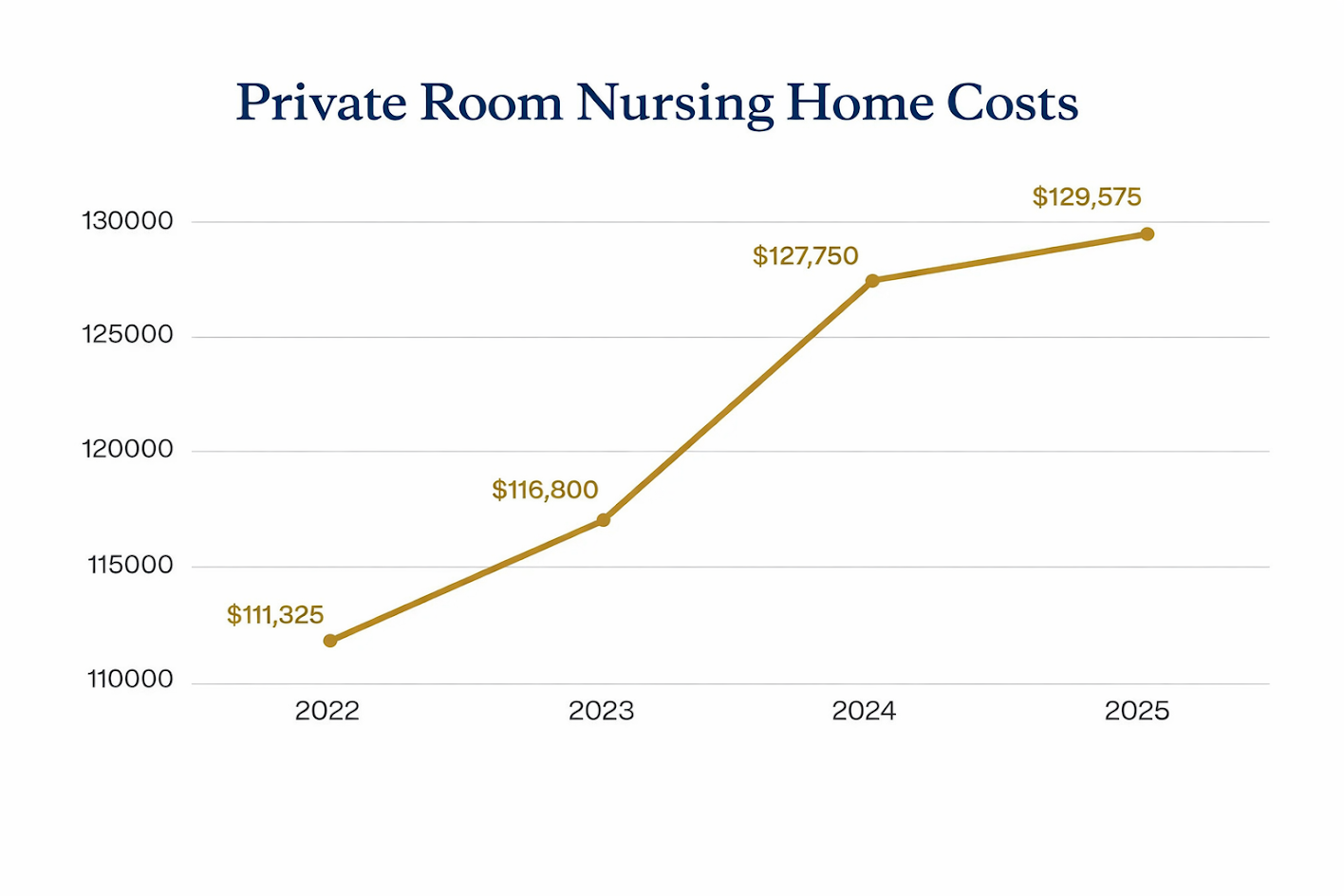
Nursing home care in Ohio can cost $7,000–$10,000+ per month, quickly draining savings, retirement accounts, and even putting your home at risk. The good news is that there are legal, proven strategies to protect your assets—if you plan ahead.
In this guide, we’ll walk through exactly how to protect your assets from nursing home costs in Ohio and what steps you should take now to avoid financial devastation later.
What Happens If You Don’t Plan Ahead?
Without a plan, most families are forced into what’s called a “Medicaid spend-down.”
This means:
- You must use most of your savings before qualifying for Medicaid
- Retirement accounts and investments can be depleted
- Your estate may be subject to Medicaid estate recovery
- Your spouse’s financial security could be impacted
For many Ohio families, this results in losing a significant portion of their life savings.
This is why proactive planning is critical.
How Medicaid Works in Ohio
Medicaid is the primary program that helps cover long-term care costs—but it comes with strict rules.
In Ohio, Medicaid eligibility is based on:
- Income limits
- Asset limits
- A 5-year lookback period on financial transactions
If you’ve transferred assets or given gifts within the last five years, you could face penalties that delay eligibility.
This is where working with an experienced attorney becomes essential.
Learn more about your options on our OHIO MEDICAID PLANNING PAGE.
5 Proven Ways to Protect Your Assets
There is no one-size-fits-all solution, but here are the most effective strategies used by Ohio families:
1. Irrevocable Trusts
Transferring assets into an irrevocable trust can remove them from your countable estate—helping protect them from nursing home costs.
This must be done carefully and well in advance due to the 5-year lookback rule.
Learn more about TRUST OPTIONS.
2. Medicaid Planning Strategies
Strategic planning can help you qualify for Medicaid without losing everything.
This may include:
- Asset restructuring
- Income planning
- Legal protections allowed under Ohio law
Explore your ASSET PROTECTION OPTIONS.
3. Spousal Protections
If one spouse requires nursing home care, the other (the “community spouse”) is often allowed to keep:
- A portion of assets
- A certain level of income
- The primary residence (in many cases)
Proper planning ensures the healthy spouse is financially secure.
4. Proper Use of Powers of Attorney
Having the right power of attorney documents in place allows trusted individuals to act quickly and implement planning strategies when needed.
5. Early Estate Planning
The earlier you plan, the more options you have.
A comprehensive estate plan can include:
- Wills
- Trusts
- Healthcare directives
- Long-term care planning strategies
Start with ESTATE PLANNING.

Common Mistakes That Cost Families Thousands
One of the biggest issues we see is families waiting too long—or trying to handle this on their own.
Here are common (and costly) mistakes:
- Waiting until a health crisis occurs
- Gifting assets without understanding Medicaid rules
- Assuming Medicare will cover long-term care (it doesn’t)
- Using generic online legal documents
- Not working with an experienced elder law attorney
Even a small mistake can result in months—or years—of ineligibility for benefits.
Why Local Ohio Planning Matters
Medicaid rules vary by state, and Ohio has its own specific regulations.
Working with a local attorney who understands:
- Ohio Medicaid laws
- Estate recovery rules
- Local care costs and options
…can make a significant difference in your outcome.
For families in Dayton and surrounding communities, having a local strategy is critical.

When Should You Talk to an Attorney?
The best time to plan is before you need care—but even if you’re already facing a nursing home situation, options may still be available.
You should speak with an attorney if:
- You or a loved one may need long-term care
- You want to protect your home and savings
- You are concerned about Medicaid eligibility
- You want a clear plan for your family’s future
Frequently Asked Questions
Can a nursing home take your house in Ohio?
In many cases, your home is considered exempt while you are living, but it may be subject to estate recovery after death unless properly planned for.
What is the Medicaid 5-year lookback?
Medicaid reviews financial transactions from the past five years to determine if assets were transferred improperly. Violations can result in penalties.
How much money can you keep and still qualify for Medicaid in Ohio?
Limits vary, but generally, individuals must have limited countable assets. However, certain assets may be protected with proper planning.
Is it legal to protect assets from nursing home costs?
Yes—there are legal, ethical strategies available. The key is doing it correctly and in compliance with Ohio law.
Final Thought
The difference between families who lose everything and those who protect their legacy often comes down to planning early and getting the right guidance.
If you take one step after reading this—make it this:
Have a conversation before a crisis forces your hand.
Recent Posts
OHIO MEDICAID & CARES ACT
The CARES Act enacted in response to the coronavirus crisis has a broad range of benefits and special provisions. I will only cover here the effect on Medicaid recipients continuing eligibility for Medicaid. The general rule in Ohio is that a Medicaid recipient cannot...
CORONAVIRUS AND NURSING HOME RESIDENTS IN OHIO
On March 11, 2020, the President addressed the nation and declared a national emergency due to the threat of the coronavirus. He stated various precautionary measures that were to be taken concerning closing of facilities and other restrictions. I will not discuss all...
Medicaid’s Home Care Waivers Can Help You Avoid a Nursing Home, But the Line May Be Long
Medicaid long-term care benefits traditionally pay mainly for nursing home care, but the federal government can grant “waivers” to states allowing them to expand Medicaid to include home and community-based services. The downside is that receiving care in a nursing...
Summer Travel for Seniors in Northeast Ohio
It’s that time of the year again when people from all over the world prefer to spend their time outdoors, relaxing while exploring the beauties of their home country or abroad. The same goes for the elderly, who are known to be especially active travelers. However, it...
2021 UPDATE OF OHIO MEDICAID FIGURES
Click here to see 2021 Medicaid figures on our “Ohio Medicaid” page.
Our Practice Areas
Estate Planning
Plan the process of orderly disposition of property consistent with your desires.
Asset Protection
Protect and preserve accumulation of wealth from a multitude of potential claims.
Power of Attorney
Empower a trusted person to act as a legal guardian or medical guardian.
Trusts
Establish trusted property management for the benefit of another.
Wills & Probate
Plan your estate to ensure that your wishes are followed after life providing security for your spouse and dependants.
Living Will
Declare your intentions regarding the use of life-sustaining treatments during periods of incapacitation.
VA Benefits
Manage the long term legal consequences of planning for the effects of VA eligibility on Medicaid, income, state and gift-tax law.
LTC Insurance
Understand policy provisions and personal impact of Long-term Care Insurance policies through professional explanations.
Contact Us
Please fill out the form below and our staff will contact you.